“Amazon FBA dropshipping” usually isn’t a real single model—it’s a confused way of describing either dropshipping under FBM (a supplier ships each customer order) or using FBA (you buy inventory upfront and Amazon ships it). FBA itself is not dropshipping; the biggest difference is whether you hold inventory and send it into Amazon’s fulfillment network.
Key points (so you don’t pick the wrong workflow):
Dropshipping (FBM) vs FBA (mini-table)
Compliance baseline (high-level):
If you hear sellers say “FBA dropshipping,” they’re almost always mixing up two different fulfillment flows. The fastest way to get unstuck is to map the phrase to a real “box-moving” workflow.
Key points:
The two real flows (plain English):
How to decide which flow you’re actually asking about:
Boundary conditions (why people get confused):
Yes—Amazon generally allows dropshipping, but only if you run it in a way that makes you the seller of record and avoids customer confusion. The practical takeaway is that dropshipping is less about “finding a supplier” and more about running a controlled fulfillment process that meets Amazon’s policy expectations.
Key points (high-level, not legal advice):
A compliance-minded checklist (allowed if / avoid if):
Generally allowed if you can do all of the following (verify current wording in Seller Central):
High-risk / commonly disallowed patterns to avoid:
Where to verify (official Amazon pages):
Boundary conditions (important):
If you want a single concept that explains most Amazon dropshipping failures, it’s this: you must operate as the seller of record, not as a “middleman” where another company looks like the seller. In practice, that usually means controlling documents, packaging identity, and returns.
Execution checklist (operator-friendly):
Mini-scenario (compliant vs risky):
Boundary conditions:
If you want speed and a more standardized customer experience, FBA is often the cleaner long-term system—but it requires inventory planning. If you want to test demand with less inventory risk, dropshipping (FBM) can work, but only when you have strong supplier control and policy-safe execution.
Dropshipping (FBM) may fit better if:
FBA may fit better if:
Dropshipping costs are mostly driven by:
FBA costs are mostly driven by:
It’s possible for some sellers, but it depends on product selection, margins after fees/shipping, return rates, ad spend, and supplier reliability—and it’s not something you can assume upfront. Treat dropshipping as an operations problem first: if you can’t control shipping, branding/docs, and returns, revenue targets don’t matter.
Most dropshipping problems aren’t “strategy” problems—they’re execution problems. The pattern is usually: a small process gap creates customer confusion or late shipments, and that creates complaints, refunds, or account health issues.
If you source from China—especially from multiple suppliers—the clean path to FBA is usually control first, speed second. The goal is to make sure inventory arrives at Amazon correctly labeled, correctly packed, and consistent with your listing.
Yes, sometimes—but “supplier → FBA” is an inbound logistics choice, not customer-order dropshipping. The only time it works reliably is when your supplier can consistently meet Amazon’s inbound expectations and you have proof checks in place.
It usually makes sense to switch when a product becomes predictable enough that inventory risk is lower than the operational risk of dropshipping. Think of the move as a stability upgrade: fewer surprises per order, but more planning responsibility.
Q: What is FBA dropshipping?
A: Most of the time, “FBA dropshipping” is a misleading phrase. It usually means either (1) dropshipping under FBM, where a supplier ships each order to the customer, or (2) using FBA, where you send inventory into Amazon and Amazon fulfills orders. FBA isn’t dropshipping; the main difference is whether you hold inventory and ship it to Amazon first.
Q: Is dropshipping allowed on Amazon?
A: Amazon generally allows dropshipping if you follow its Drop Shipping Policy and operate as the seller of record—meaning customer-facing documents and packaging identify you as the seller, not a third party. Because policy language can change, confirm the current wording in Seller Central before scaling: https://sellercentral.amazon.com/gp/help/external/G201808410
Q: What does “seller of record” mean in Amazon dropshipping?
A: It means the customer experience should clearly show you as the seller and you’re responsible for customer outcomes (including returns). Practically, that often requires (1) your name on packing slips/invoices (not another company’s), (2) no third-party retailer branding in the box, and (3) a defined process for returns and customer service that you control.
Q: Dropshipping vs Amazon FBA: which is better for beginners?
A: It depends on what you’re optimizing for. Dropshipping (FBM) can be easier for testing because it reduces inventory risk, but it’s harder to control shipping performance and compliance execution. FBA often creates a more standardized customer experience, but it requires upfront inventory planning. A practical beginner path is: test small → prove demand → move winning SKUs to FBA once stability is real.
Q: How do returns work with dropshipping vs FBA?
A: In dropshipping (FBM), you usually own the returns workflow end-to-end (even if a supplier helps process it). In FBA, Amazon handles many operational steps for fulfillment and returns processing, but you still own product quality, policy compliance for your listings, and how customer problems are resolved. Returns can vary by category and region, so document your SOP before scaling.
Q: Can you send products straight from your supplier to Amazon FBA?
A: Sometimes, yes—but it works best when your supplier can consistently label, package, and carton-pack to your shipment plan requirements and you have proof checks in place (photos, carton breakdowns, small test batches). “Supplier → FBA” is an inbound logistics decision, not customer-order dropshipping, and the cost of mistakes is usually higher once inventory reaches Amazon.
Q: When does it make sense to switch from dropshipping to inventory (e.g., FBA)?
A: Switch when the SKU is predictable enough that inventory risk is lower than dropshipping execution risk—stable demand, manageable returns, and reliable lead times. A safe approach is a small FBA test batch first, then scaling only after you’ve removed the biggest inbound failure modes (labels/cartons/quality consistency).
If you take one thing from this guide, make it this: the phrase “Amazon FBA dropshipping” is less important than choosing the right workflow and running it with process control. Once you name the workflow correctly, the next steps become straightforward.
A simple plan you can follow this week:
Boundary reminder: If you’re unsure about a policy detail or a category-specific rule, confirm in Seller Central and consider professional advice for customs/tax/legal questions.
Need help moving from “it works sometimes” to a repeatable inbound system?
FBABEE supports Amazon sellers with China-side consolidation, FBA prep (labeling/packaging/carton planning), and door-to-door shipping coordination—especially useful for multi-supplier sourcing, first-time FBA shipments, or recurring inbound issues.
Back to top
Your email address will not be published. Required fields are marked *
Comment *
Name *
Email *
Save my name, email, and website in this browser for the next time I comment.
Δ
This site uses Akismet to reduce spam. Learn how your comment data is processed.
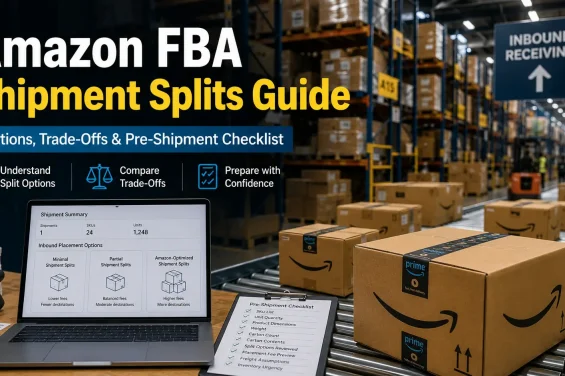
What Are FBA Shipment Splits? Amazon FBA shipment splits are inbound placement options that may send your inventory to one ...
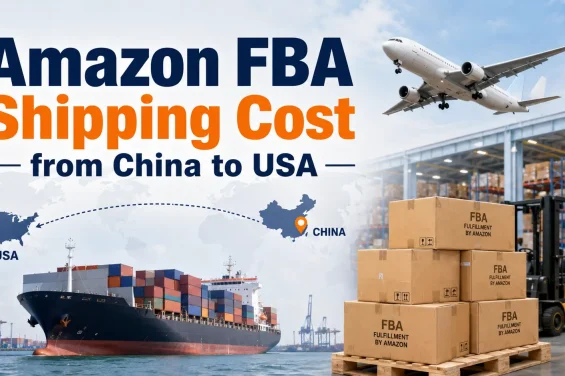
Shipping from China to Amazon FBA in the USA rarely has one fixed price. Two sellers can ship similar products ...
Table of Contents Heavy box label decision + placement Terms that get mixed up: Team Lift vs Heavy Package vs ...